 by
by 
There is no single position-one ranking across all AI-generated recommendations. What a buyer sees can change with the question, platform and context.
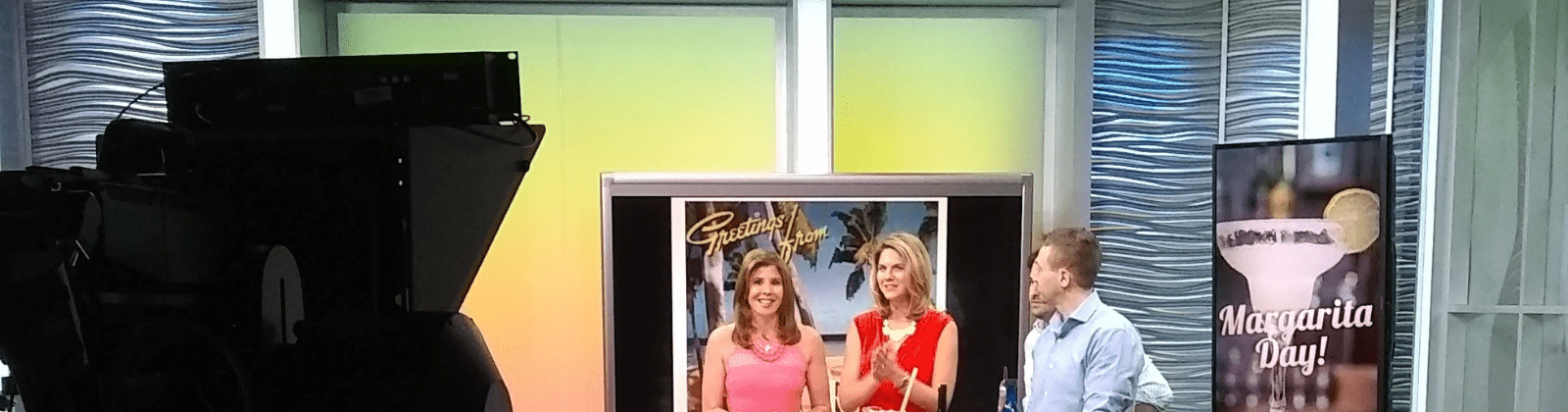
That’s one of the things I talked through with Michael Barber on E-coffee with Experts. We discussed what we learned while studying 28,488 Florida businesses, why SEO still matters, and how PR and third-party credibility fit into the picture.
We also discussed four things a business can actually improve: clarity, consistency, credibility and coverage. None is a magic AI trick. Together, they offer a useful way to think about more durable visibility.
Prefer to listen? Spotify · Apple Podcasts
Why One AI Recommendation Is Not the Whole Story
I used a restaurant example during the conversation. Ask a friend where to eat and they may have a familiar shortlist. Ask specifically for a great steak, and the shortlist changes. AI answers aren’t personal recommendations in the human sense, but the wording and context of a question can similarly change which companies appear.
We saw that throughout the Florida AI Visibility Index. Testing one platform and one question isn’t enough to understand visibility. The full research analysis explains the methodology and what changed across platforms, markets and buyer questions.
Accidental Visibility vs. Durable Visibility
If a business shows up once, that’s a useful observation, but it doesn’t establish that it will appear again for a different question or on another platform. We’d rather understand how consistently it appears across a representative set of searches.
We talked about the difference as accidental visibility versus durable visibility. The more useful question is what a company can improve to make itself easier to understand and verify across the places buyers look.
The Four Cs of Durable AI Visibility
These aren’t a substitute for SEO or a separate agency methodology. They’re four practical checks on how well the wider web represents a business.
- Clarity: Can someone quickly understand what you do, who you serve and where you operate?
- Consistency: Do your site, business profiles and other references tell the same basic story?
- Credibility: Is there independent evidence behind your claims, such as earned coverage, customer proof or industry mentions?
- Coverage: Is accurate, relevant information available in the places buyers and search systems may look?
We explain these ideas in more detail in our published AI search analysis. For this conversation, the point was simpler: most of these improvements are familiar marketing, SEO and PR work. They don’t require chasing a new acronym every month.
SEO Is Still the Foundation
One thing I keep coming back to: AI search doesn’t make technical SEO, useful content or earned authority irrelevant. Those foundations still matter to how organizations are discovered and understood.
AI changes what the result can look like. A buyer may receive a shortlist or an answer without clicking a website, so the work extends beyond page rankings. But treating GEO or AEO as completely separate from SEO, digital PR and content misses much of what helps establish a credible presence online.
Our guide to AI search optimization goes deeper into how the terminology and disciplines fit together.
What You Say vs. What the Web Says
Your website is where you make claims about who you are and what you do. The wider web is where those claims can be supported, challenged or described differently.
When credible third parties describe the company in ways that reinforce its own positioning, that adds independent context.
When they consistently describe the company differently, pay attention. That can point to a positioning or messaging problem worth investigating.
This is also one reason PR and digital marketing fit together so naturally. PR can earn the third-party credibility. Digital makes the organization easier to discover and gives the team more ways to measure what happens next. AI search brings those signals together in a new discovery interface.
Publishing the Research Is Only the Start
The same idea applies to proprietary research.
Research builds authority when it contributes something genuinely new, useful and defensible that other people can reference. But publishing it is only the beginning.
The value comes from distributing it, citing it, building conversations around it and using what you learned to inform the next piece of work.
That has been a major part of our own approach to the Florida AI Visibility research. The research is not just a content asset. It is a way to understand how AI search is behaving and turn those findings into useful decisions for clients.
What to Measure When Clicks Tell Less of the Story
As more discovery happens inside search results and AI-driven experiences, website traffic becomes a less complete measure of visibility.
That does not mean traffic stops mattering. It means it should be read alongside other signals:
- Direct and branded search traffic. Are more people looking for the company by name or arriving directly?
- AI and search visibility over time. Is the company appearing more consistently across the questions that matter to buyers?
- Conversions and pipeline movement. Are more qualified people reaching out and moving forward?
- Self-reported attribution. “How did you hear about us?” is imperfect, but it adds another useful touchpoint.
PR has always lived with imperfect attribution. The answer here is similar. Combine the signals instead of expecting one metric to explain the entire buyer journey.
We covered this in more depth in AI Visibility, Attribution and What Comes Next.
Where This Leaves Marketing Teams
Start with the language your buyers actually use. What are they asking when they compare providers? Test a representative set of those questions, note which companies appear and which sources support the answers, and look for patterns rather than one-off mentions.
Then work on the clarity, consistency, credibility and coverage gaps you can actually influence. Measure what changes over time alongside organic search, branded interest, qualified conversations and pipeline. One score can’t answer all of those questions.
Our Florida AI Visibility research is one example of what a broader view can reveal. If you want to understand how this work might apply to your business, explore our AI search optimization services or start a conversation.
Thanks to Michael Barber and the E-coffee with Experts team for the conversation.